Headquarters
The Making of my custom Valorant Map
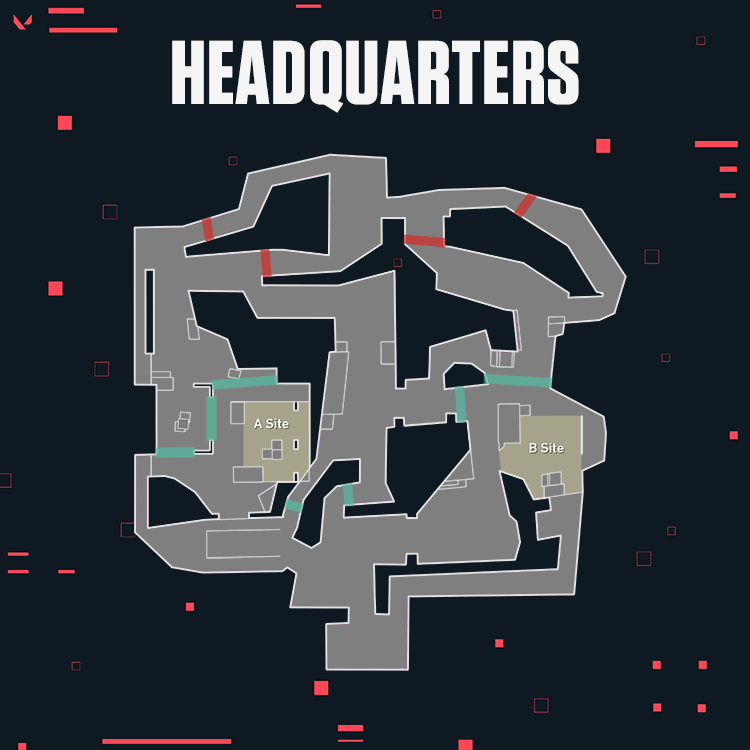
Headquarters is a custom map I created using Unreal Engine 4. The purpose of this map was to gain further experience with Unreal and gain experience designing and creating a greybox prototype for 5v5 tactical shooters. I want to achieve this by simulating as closely as possible the work process a Riot Games' level design employee would do when creating a map for Valorant.
Riot Games' Valorant Design Philosophy
When Riot Games creates new maps in Valorant, their map design philosophy is something I find very exciting, as every map strives to push gameplay in fresh directions by creating unique scenarios with new map layouts. This is why when making the initial drafts for my map, my very first steps were to create a “hook” that differentiates it from others currently in the game.
The Design Question
“What if the entire map was broken up into vertical segments?”
Unique Opportunities
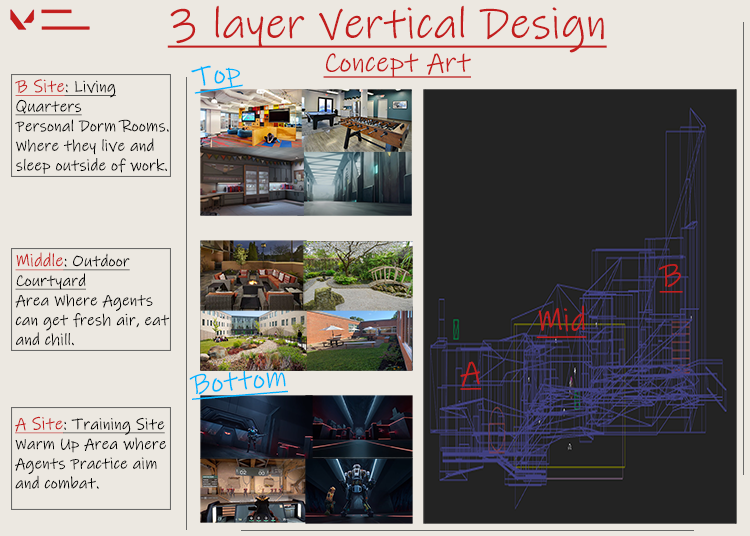
After experimenting with a bunch of ways to create a map broken up by verticality, I ultimately decided to have different portions of the map be at different altitudes as shown in my concept art above. While maps like "Icebox" add verticality to the game by creating objective sites with multiple layers, their overall map layouts are flat. Having a map layout divided by its verticality creates two vastly different playstyles for players to approach each bomb site. When approaching the “A” bomb site, due to the site being at the lowest point of the map, players will have the advantage of scouting out the site before attacking. This will allow attackers to easily flush out spots where enemies can hide but will make them more vulnerable when moving onto the site. In contrast to this, the “B” bombsite, which is at the highest part of the map, will have inclined slopes that lead to the detonation area. Players can use the slopes as cover to only make their heads viewable. This will also naturally create a plant site where the players will have more coverage while on the site itself.
Paper Sketches
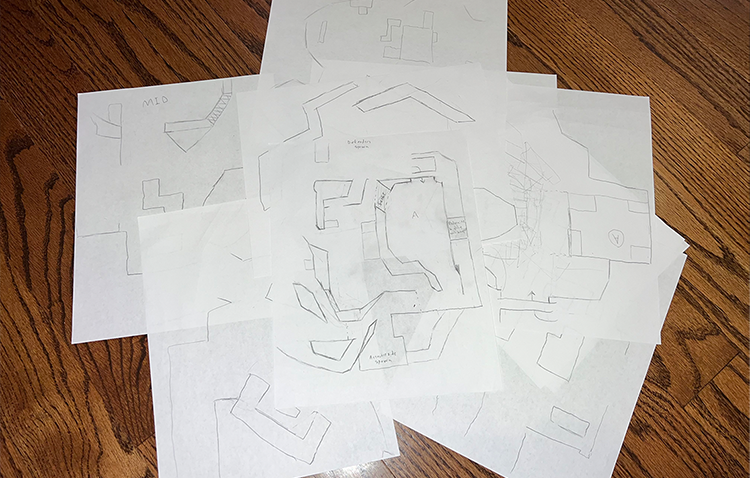
Once the concept art was created, I had a loose idea of the map’s story and design. I then drew tons of paper sketches to experiment with the layout of the map. Creating a map centered around its verticality was difficult to do on paper but I felt as though working with paper allowed me to have a lot more freedom with my initial ideas and would make it fast to modify any changes. I started by experimenting with general layouts, then once the map started to take shape, I then sketched tons of variations for each objective site by adding unique layouts to create specific fun and interesting gameplay experiences.
Greyboxing
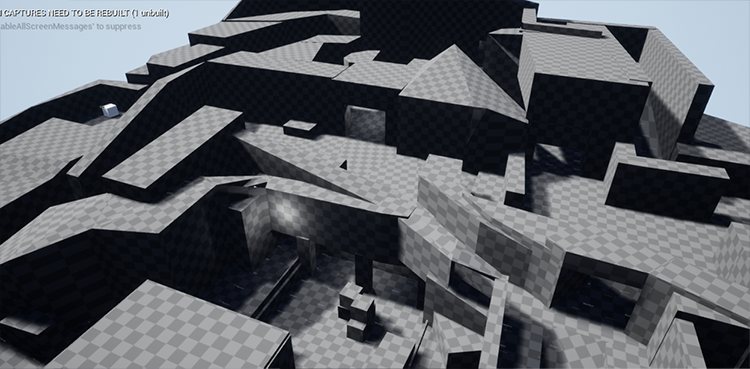
From there I moved on to creating a 3-D environment in Unreal with simple geometry to make my initial greybox. When working on the greybox, I was constantly tweaking small aspects of the level as some things on paper did not translate as well as I hoped when in the 3-D space. One major change I adjusted was the spawn walls on the map as they gave too much map control to attackers originally. Overall the initial greybox layout turned very different than my original sketches as I was also constantly adjusting the slope on the floors to achieve vertical gameplay opportunities I wanted this map to have. Ideally, after creating a greybox I’m satisfied with I’d start playtesting in-game, unfortunately, this led to my biggest obstacle.
My Biggest Obstacle
When doing any form of level design the most important aspect is playtesting. Playtesting allows me to see if my ideas are being executed properly, balanced as well as if they are fun in general. However, without having a way to playtest my map within Valorant, the amount of feedback I could get was very limited. Because of this, I knew I had to make adjustments and revise my map in unique ways. To achieve this I created an in-game player that controlled with physics as similar to Valorant as I could get. From there I could use this in-game player to theorize the potential ways players could use weapons and abilities. Throughout this whole revision process, I would go back and forth throughout every agent’s abilities and guns to constantly tune my map. As a result of this process, there are a total of 5 distinct iterations of my map. In earlier versions of the Headquarters greybox, the map had much more elevation and had much fewer spots to take cover when on the objective site. Additionally, controllers that used walls (mainly Viper) were much more heavily favored than other controller agents. As this article continues I show in further detail how I imagine every gun and agent could possibly play on Headquarters.
Expanding the Greybox
After settling with a map I felt was both balanced and created unique gameplay engagements, I then gave the greybox slightly more detail by adding some textures and giving the map a few basic props such as the Radianite crates. While I am aware most of this would be outside the job of the level designers, giving the map slightly more detail was a good way to show the map’s theme and story I created.
Headquarter’s Theming
Throughout the creation of this map, one thing I always kept in mind was its theme. While I overall valued the design of the map first, the map’s theme was always being considered throughout the iterative process. This Map takes place in the Kingdom’s secret island, specifically headquarters/training grounds, a location seen in both Valorant’s episode 4 cinematic and Neon’s launch trailers. I chose this location to make the Valorant universe feel more alive by having a semi-familiar environment that adds lore to both the overall story and agents in the game. Another reason I felt this could be a perfect fit for the map was due to the vertical layers the Training Grounds had in “warm up” trailer, further making it a perfect fit. In the image below you can hover over all the callouts to see reference and concept images to see further into the map’s theming and why things are called what they are.
Hover over the Callouts!
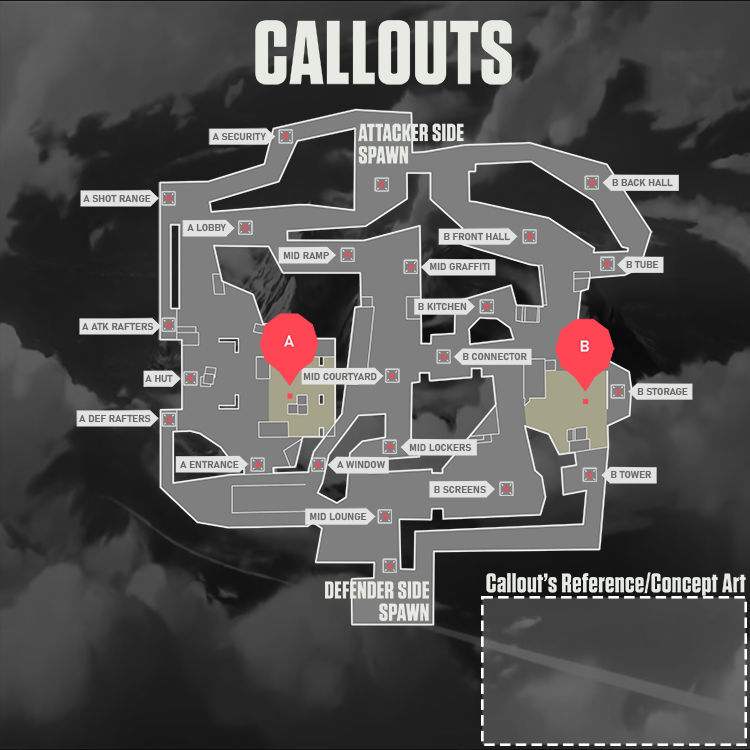
Taking every type of gun into account
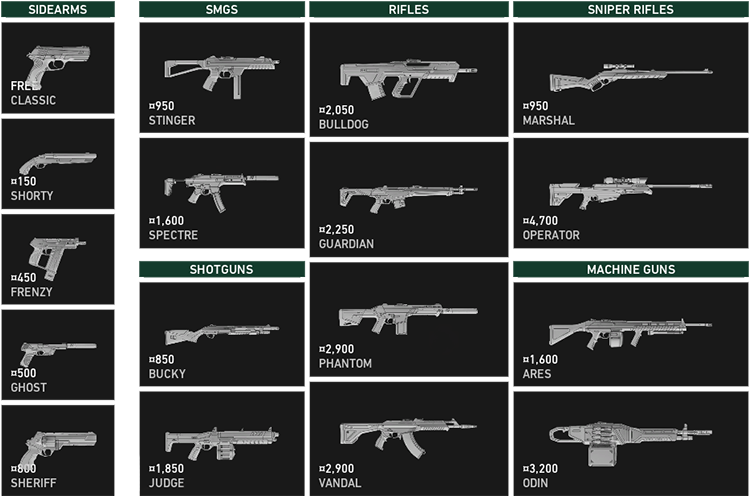
As mentioned before one of the biggest aspects I took into account when revising my map was the viability of the six types of guns. Each type of gun (sidearms, SMGs, shotguns, rifles, sniper rifles, and machine guns) all have a time and place where they can shine. In the “Mid Courtyard”, there are longer ranged angles so having a longer-range weapon will work more effectively. On the objective sites, there will also be long-ranged angles, but with correct smoke placements, teams can block off long-range angles to make better use of their mid to short-range weapons.
Taking into Account Every Agent
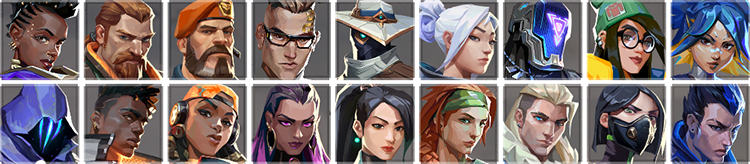
When designing the map, I constantly worried that certain map elements might significantly favor specific agents. In theory, this could force teams to play with that agent or be at a disadvantage. To keep the map balanced, I constantly kept every agent and their unique abilities in mind when designing its layout. Below, you can hover over any agent currently in the game to see how they might play and use their abilities on the current iteration of Headquarters.
Select your agent!
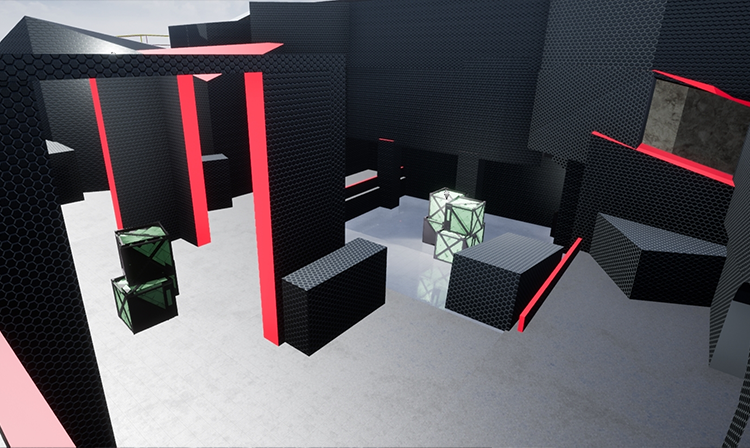
The A Bombsite
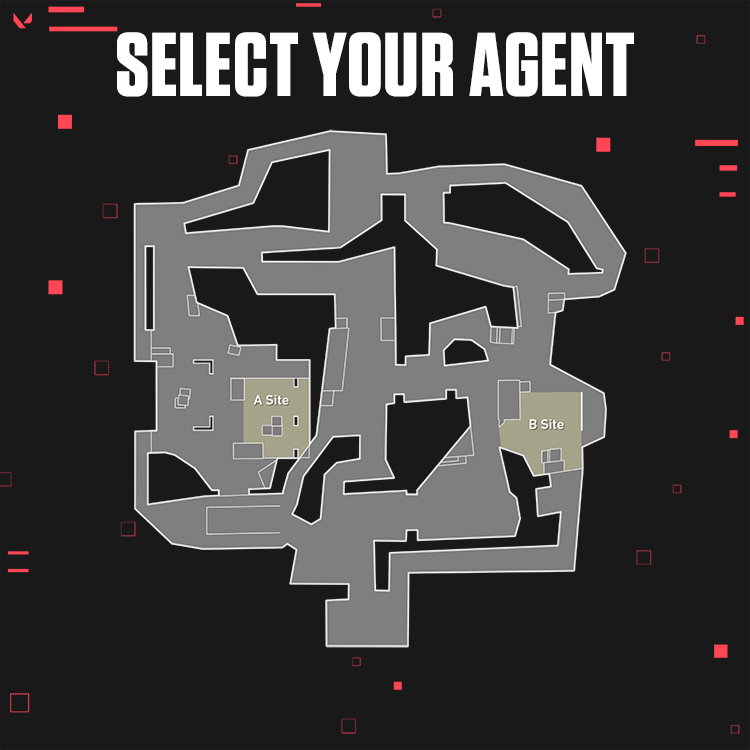
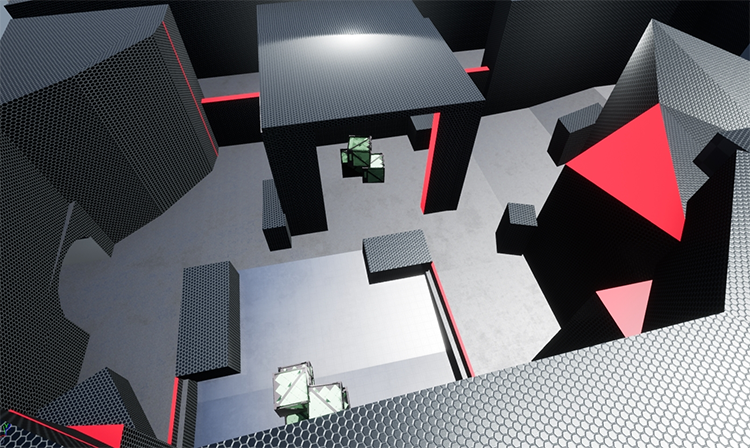
As mentioned prior, what separates the “A” objective site from other maps in Valorant is the use of elevation to easily flush out defenders from certain spots on the map. Because of that, I had to adjust the site to have more places the defending team can hide on. When executing the “A” bombsite with the use of many different agent abilities, the attacking team can reach the attack side rafters. This gives them elevation which will be very advantageous because it allows teams to flush out certain spots on the map where the defenders may be hiding. The defending team will also have a clear long line of sight for anyone entering the planting zone from the main arch entrance and defense side rafters. Because of this, attackers can either use their smokes to block the two entrance points for the defenders, or they can use a singular smoke to be able to hop quickly onto the planting zone for the A site.
The B Bombsite
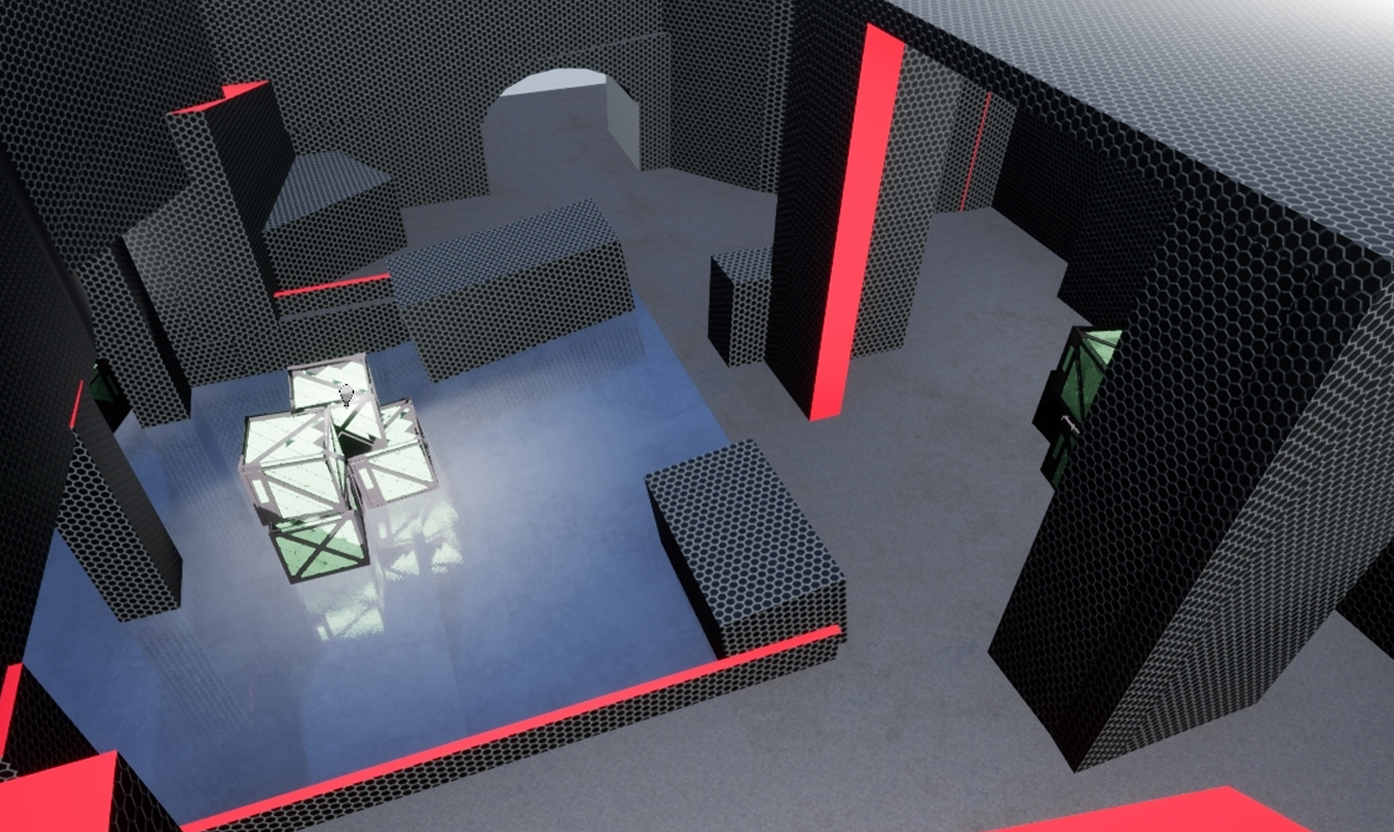
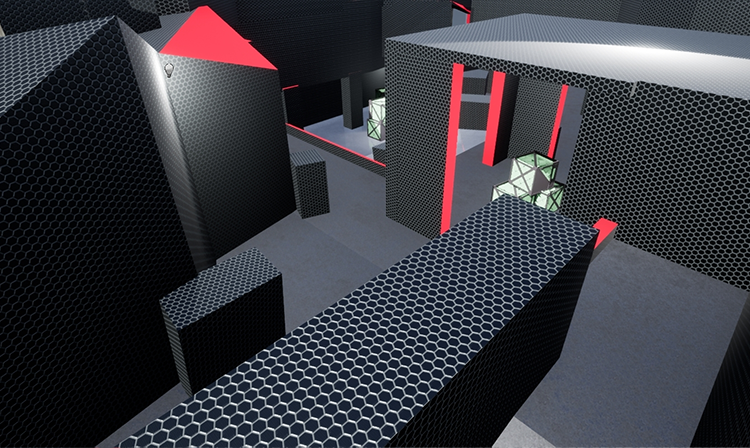
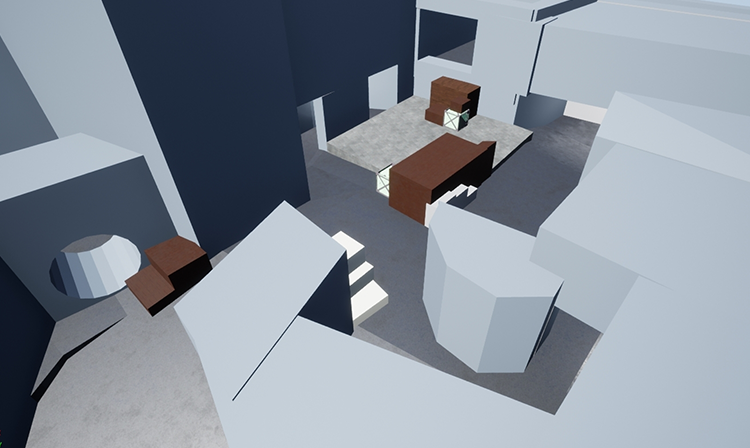
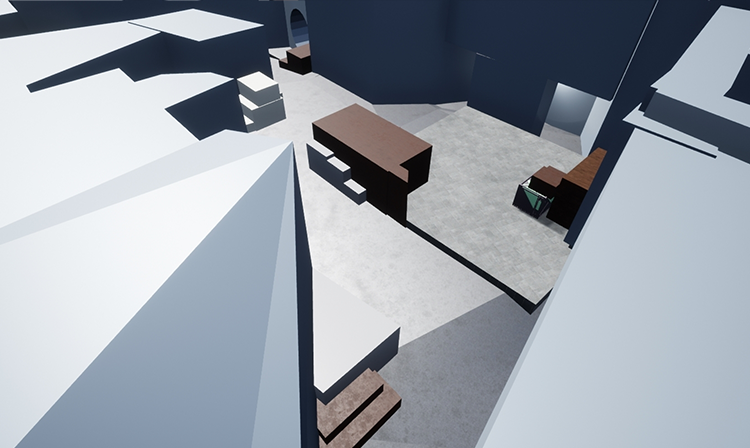
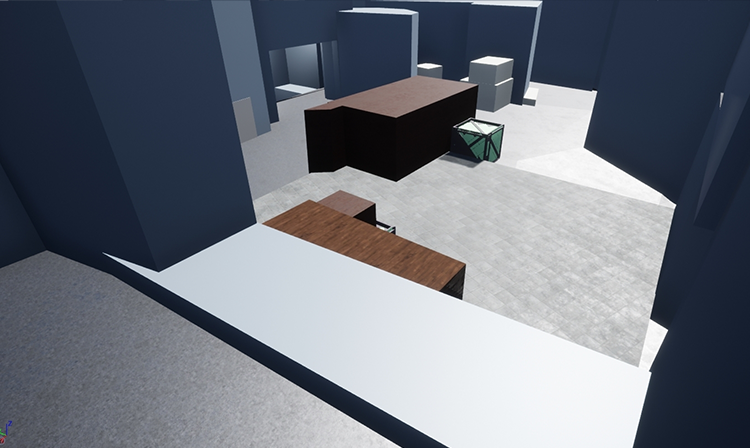
In contrast, the B bombsite is vastly different in terms of its layout. When executing the “B” bombsite the attacking team has the ability to enter the main entrance from both the left and right sides. This should make the initial peek from attackers safer as they can swing the entrance together. The main entrance for the B objective site is very exposed and will be very difficult to take without entering from the middle courtyard. However, there are multiple ways to execute the objective site with a variety of different smoke placements teams can utilize. The most common way will be using a wall or two smokes to block off the line of sight for defenders who are near the middle side of the map. This will allow teams to cut the site in half, making the attackers less exposed when entering. One unique trait for this objective site is two different “U” shaped cubbies both teams can use when they need to defend the site. While these cubbies can be a great place to use short-range weapons, players can easily be flushed out with the right utility as there is not much space to escape from. If the attacking team can gain control of the middle courtyard, this will allow them another entrance onto the B bombsite, where they will be able to flush out the defending team from certain positions that are towards the back of the site. Another interesting engagement will be teams fighting for control over the tower. By having a tower that is reachable by every agent, teams will be in constant control for the heaven area as it is great for retaking and camping the sites.
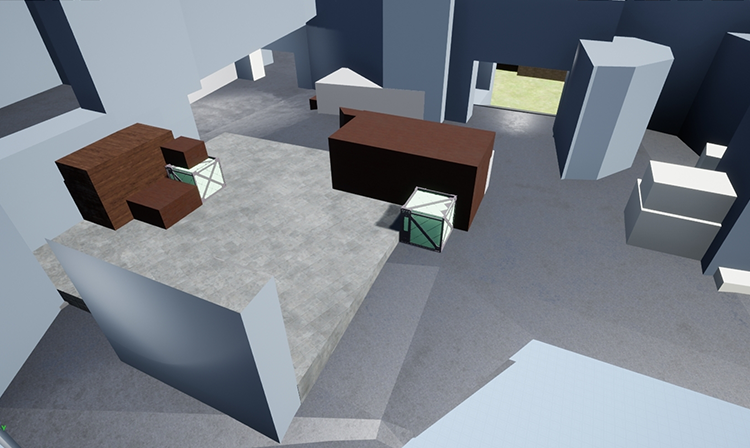
The Middle
The Middle Courtyard will be a huge chokepoint where both the Attacking and Defending teams will constantly try gaining control over it. It allows the attackers another entrance to the B bombsite as well as an entrance to the Defender’s spawn (which also leads to both bombsites). During buy rounds, it will be very dangerous for the attacking team to approach the middle courtyard without the use of an initiator or controller due to its singular entrance, while defenders will have multiple places to control the middle courtyard from. Because of this, Defenders may often hold mid with an Operator. With this in mind, the attacking team will most likely need to smoke off the middle line of the site, giving attackers multiple angles to approach from, including the crate they can jump on top of.
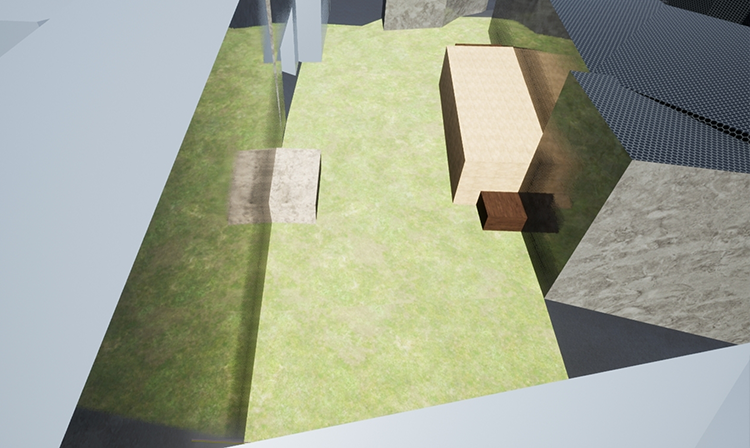
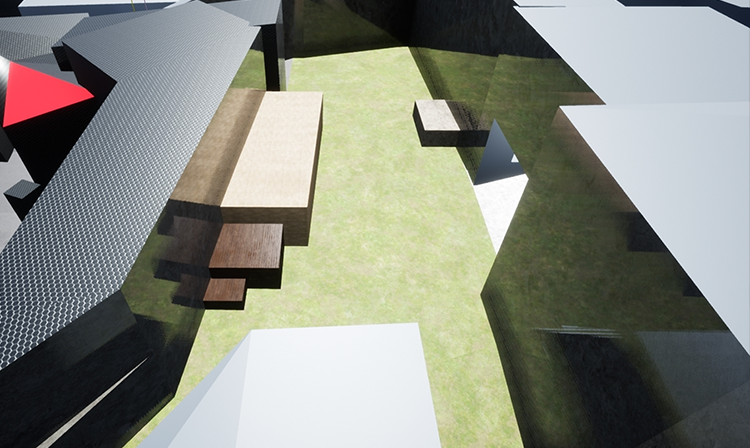
Headquarters Window
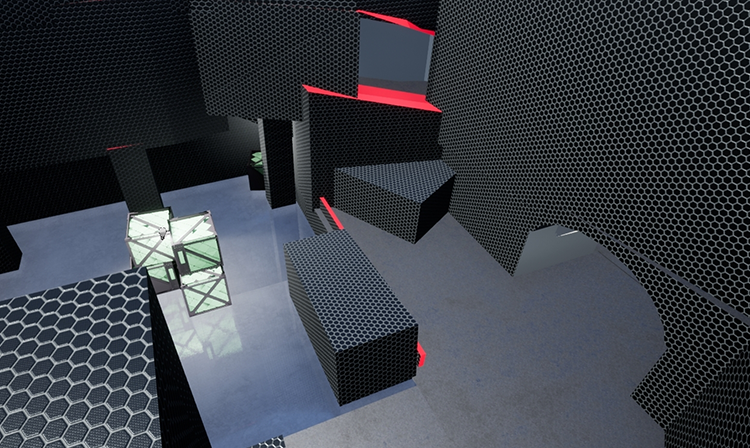
To add to these gameplay elements, players can peek and wallbang through a window placed on top of the “A bombsite” to clear more angles when on the defender’s side. This function is similar to the windows for “B” main on Ascent or the “Jail” fence on Icebox where players can see through but not go through. However, due to the window being solid, abilities like Omen’s teleport and projectile abilities can not go through it.
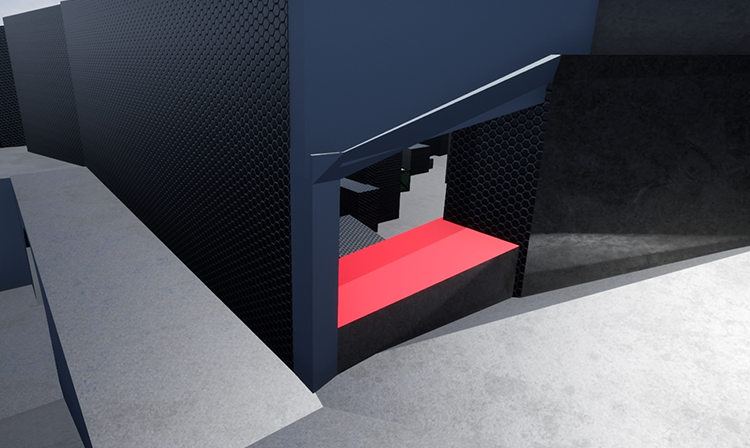
Post Mortem
My goal for this project was to create a fun and balanced prototype map that would bring new ideas into the game but still have the same competitive balance the game strives for. This map went through hundreds of iterations when being developed, however after completing this prototype and then creating the corresponding website, there are still a few changes I would make given time. However, without actual player feedback, these adjustments are more theoretical and would still need actual playtesting feedback to actually have a level I am satisfied with. One issue for the map I predict would be the main entrances to both bomb sites. I originally wanted the map to feel very open and have larger openings for the attackers to come through, however, when calculating the typical size of the smokes, I believe the main entrances are too wide at the moment. Because of this, typical smoke controllers will need to use multiple smokes to block single entrances, making controllers such as Viper more favorable. This could also result in the map being too heavily favored towards the attacking team as well. Another thing I would like to change would be the tower on the “B” bomb site. While I think having a heaven-like tower creates unique situations that aren’t currently in the game, I think it would be more interesting to have a “street” sewer where defenders can go through from the bottom. This further cements the identity of the “B” site where players peek from low elevation when approaching the site. Overall, I believe I achieved my goal, learned a lot about the craft and am very proud of the work I accomplished.